

Discover the main points on gut health, its importance, and the other natural ways of supporting it through diet, lifestyle, and mindful habits le that will ultimately result in overall health and well-being boosting.
A healthy state of the body and Psyche is not just the absence of disease; it is the entire physical, mental, and social wellness. A physically fit person, a sound mind, and a strong ability to withstand daily life’s pressures are the characteristics of ideal health. Good nutrition, exercise,cise, and sleep, as well as emotional stability, are the trio that forms the foundation for perfect health.
What Is Gut Health?
Gut health denotes the correct working and equilibrium of microorganisms in the intestines. These tiny creatures are very important in the digestive process, not only by being part of it but also by being a shield against the bad ones. Thus, an organism having good guts can perform digestion, immunity infusion, mood management, and, in general, be healthier in terms of physical and mental well-being.
Signs of Poor Gut Health
Your body will inform you when your gut is not healthy. The following are some of the signs:
- Bloating or heartburn occurring frequently
- Bowel movements that are not regular
- Feeling tired or having brain fog
- Craving—especially for sugar
- Unexplained changes in mood
How to Improve Gut Health Naturally?
1. Eat a Variety of Plant-Based Foods
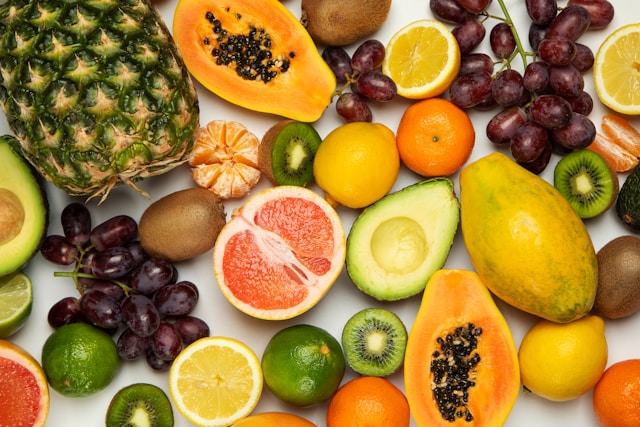
The beneficial microorganisms that live in the intestines rely primarily on the intake of fruits, vegetables, legumes, and whole grains. A diet high in fiber is crucial for good gut health because it not only provides the gut bacteria with their main food source but also aids in the whole digestive process by keeping it smooth and flowing.
2. Include Foods Rich in Probiotics
Water is the primary ingredient in the digestion process because it not only cleans the body of the nutrients that are no longer needed. When one suffers from digestive problems such as constipation or bloating, it is recommended to drink a minimum of 8 cups of water every day.
3. Include Prebiotic Foods in Daily Diet
Probiotics can be compared to prebiotic die-cutters. There is a significant relationship between the gut and the brain. The intestine secretes beneficial hormones like serotonin and others, which control, among other things, the mood and the emotional state.
5. Control Sugar and Foods that are Processed
Generally, sugar leads to an increased number of bad bacteria in the gut. What the microbiome calls for to become balanced again and thus have less inflammation is a slow cutting down of junk food, sweeteners, and soda consumption.
6. Manage Stress Naturally
Stress is one of the factors that disturb the body in a way that the gut-brain axis, diet, and immune system get confused. You can engage in yoga, meditation, deep breathing, or journaling, all of which are practices that might help you relax and also help your gut get better.
7. Get Enough Quality Sleep
The digestive system benefits from the body’s healing during the night. When one gets little sleep, it alters the hormones, which in turn do not favor the bacteria in the gut.
8. Use of Antibiotics should be avoided.
Antibiotics can wipe out both good and bad bacteria in the intestines. It is essential to use them only on the advice of a physician and to complement the treatment with probiotics.
9. Eat Consciously and Chew Well.
Munching food in the right way will aid in getting that food digested properly, and the enzymes will be working. The current situation with mindful eating practice is that it is leading to a decrease in the habit of overeating and, at the same time, forming a good bond between the brain and the gut.
Lifestyle Habits That Support Gut Health
In addition to food and supplements, your everyday activities have a say in the condition of your gut. Some of the habits that should not be missed are:
1. Don’t Skip Meals
Fixing the time for meals will help to stabilize the digestive process a, nd at the same t,im,e prevent the formation of acid or gas. Get your breakfast within one hour of waking up and avoid long gaps between meals.
2. Limit Alcohol
One of the effects of alcohol is that it may cause the mucosa of the intestine to become inflamed and the bacterial balance to be disturbed. An occasional drink like a glass of wine is not a big deal, but continuous intoxication will surely hurt your intestines.
3. Quit Smoking
Smoking is a habit that not only destroys the intestinal lining but also makes the inflammation worse. Quit smoking and the bacterial diversity will return to normal anthe d chances of ulcer or Crohn’s disease will be less.
Benefits of a Healthy Gut
The large intestine, which is the primary organ that helps in digestion, helps in increasing the absorption of nutrients, decreasing the chances of infections, and even making the individual feel good by connecting with the gut-brain.
Mood swings, inflammation, and salubrious skin are all consequences of a healthier gut, which also helps to keep your weight in check. Besides, a sound gut is also linked to an increase in energy, together with a lower risk of developing chronic diseases, and thus, a higher quality of life.
Common Causes of Poor Gut Health
Processed Foods and Artificial Additives
Lots of artificial preservatives are normally found in fast foods, sweets, nd processed dishes with very little or zero fiber content. This results in a change in the normal microbial composition of the intestines, causing inflammation, resulting in the ensuing issue of a problem of difficulty in digesting.
Stress, Sleep, and Antibiotics
The repeated stress causes increased production of cortisol, and this may result in bizarre bowel movements and digestive processes being bizarre. Similarly, insomnia affects the daily activities of gut bacteria adversely. Excessive use of antibiotics kills all the bacteria, both the bad and the good, hence exposing your gut.
FAQs
Can stress affect gut health?
Definitely. The sustained stress may produce unwanted consequences in the gut microbiome, which is transferred into gastrointestinal disorders and poor immunity. Relaxation is one of the methods of its curing.
Does gut health affect mental health?
There is a significant relationship between the gut and the brain. The gut produces good hormones, such as serotonin, which, among other things, regulates mood and emotional state.
Conclusion
Having a good digestive system is among the most important things one should have to be classified as healthy. The maintenance of a healthy digestive system will result from the consumption of a variety of healthy foods, physical activity, quality sleep, and proper stress management. In both the long and short term, a healthy gut will be an asset to your body by increasing immunity, mood, as well as physical and mental health.