

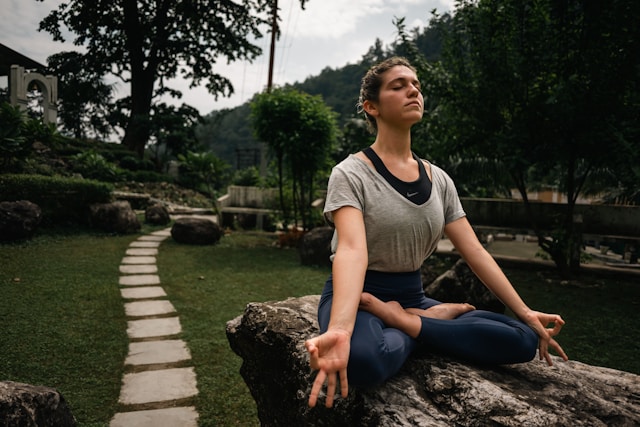
Mindfulness refers to the automatic and unacknowledged mode of living, which is the present moment. It is like being in the present moment with a loving and kind heart. Mindfulness soothes the mind and at the same time it strengthens one’s ability to cope with stress, and eventually it leads one to respond with thoughts instead of being a victim of the quick and unconsidered reactions that are usually the case.
Why Mindfulness Matters
There is no doubt that mindfulness gives a lot of advantages to the soul and body. The benefits of steady practice, according to a large number of researchers, are:
- – lessening the burden of stress and anxiety
- – making sleep more refreshing
- – sharpening mental and memory skills
- – cutting down blood pressure
- – increasing the power to cope with negative emotions
- – inducing a calm and happy state

Simple Mindfulness Practices for Beginners
If you are a newbie to mindfulness, do not let the thought of having to possess special equipment or that it is a long meditation scare you away. Simple methods are there for you to get going:
1. Mindful Breathing
Choose a quiet place. Sit comfortably and close your eyes. Focus on your breath and meditate. You should feel the air coming in and going out of your body. When your mind wanders, it should be brought back to your breathing.
2. Body Scan
You can either lie down or sit in a steady position. Begin with your feet and slowly shift your attention upwards. Pay attention to what you feel — tension, relaxation, or simply sensations. This gives a release of physical stress.
3. Mindful Eating
Take a moment before eating to appreciate the various colors, scents, and surfaces of your food. And for each mouthful, stretch the chewing time, relish it, and at the same time recognize the process of it feeding your body.
4. Walking Meditation
As you go for a walk, be aware of your feet and the earth that takes in your weight — feel your breathing and hear the rhythm of your movement. This is another very effective way of doing mindfulness in nature.
5. Mindful Journaling
When the day is over, spare five minutes for recording your thoughts and emotions. Doing it the mindful way helps you to discern and release unimportant concerns.
6 meditation techniques that cultivate mindfulness
1. Body Scan
Shift your focus to each section of your body, feeling and recognizing the different states like heaviness or ease. By this method, one realizes that emotional ups and downs, as well as stress, are manifested physically.
2. Noting
When you are observing your thoughts or feelings, simply think of them as “notes” – say thinking, feeling, or hearing – without judging them at all. This makes it easier for you to identify and notice mental loops and to remain aware.
3. Skillful Compassion
Be alert to others’ suffering and respond with compassion and a desire to help. Empathy is when you are reminding yourself of the same pain, looking at it from the most objective angle, and being kind, which eventually brings you closer to the people.
4. Visualization
Imagine a serene place, healing light, or an aim that makes you feel tranquil and brilliant. Visualization boosts concentration and regulation of emotions by utilizing the creative ability of the mind.
5. Resting Awareness
In place of zooming in on one spot, let your concentration rest naturally wherever whatever arises. This kind of broad discovery will basically allow you to meet the thoughts and feelings with no strings attached.
6. Reflection
Slowly mull over important matters such as what really counts for you or what you appreciate. To reflect means to view from above; it is the fountain of revelation, the angle, the mindfulness that permits us to realize the fluctuations of life.
How does mindfulness support mental health?
Stress Reduction
Mindfulness, by training, reduces the stress response of the body through a shift of attention to the present. It’s giving oneself a break, space to breathe, so as not to react automatically under conditions of stress or conflict.
Anxiety Management
Mindfulness guides not to worry by observing judgment-free anxious thoughts. It cuts off the emotional intensity of thoughts due to the distance it creates between the two.
Depression Prevention and Management
Mindfulness gradually a gradual mental state that melts the corners of the mind where negative thoughts are imprisoning us, and in turn, these negative thoughts give rise to depression.
The practice encourages the person to go through the pleasure, to use nice and understanding ways of communication, and to be conscious of it, which allows them to face the difficult feelings without being overpowered by them.
Improved Emotional Regulation
The regular practice of mindfulness makes it easier for you to see the emotions as they come up. The calming effect of present-awareness is what helps not to react but to stay and work with emotions, the latter being one of the key arguments for emotional stability and balance, and also moods becoming less difficult and more pleasant.
Increased Resilience
Mindfulness is a practice that brings about mental flexibility and inner strength. Being calm during difficulties means that you recover quickly from losses and pass through life changes with less suffering.

Mindfulness for Beginners Examples
Mindfulness for ADHD
The practice of mindfulness trains the mind to halt and notice the thoughts before acting, and consequently, such training leads to the development of attention and struggle over impulses. A short but daily practice improves attention, calms the restless mind, and assists a person in the regulation of his or her feelings.
Mindfulness for Depression
Mindfulness directs one’s attention to negative thoughts, but without any judgment. Emotional processing rather than repression might facilitate the stopping of the thought loop, which in turn can lead the person to character improvement and the eradication of negativity.
Mindfulness in Daily Life
You do not have to be sitting in the lotus position on a soft mat to be practicing Mindfulness. You can simply do mindfulness in places and situations such as:
- While sipping your morning coffee
- During a commute
- Before sending an important email
- Or when taking a few deep breaths before a meeting
Conclusion
Mindfulness practice may look very basic; however, it is a very powerful one that can keep a person grounded, manage his/her stress, and build emotional stability. The practitioner will also enjoy an overall health improvement by acquiring the power to focus, be resilient, and live with more clarity and calmness in each moment.